The Mood Meter

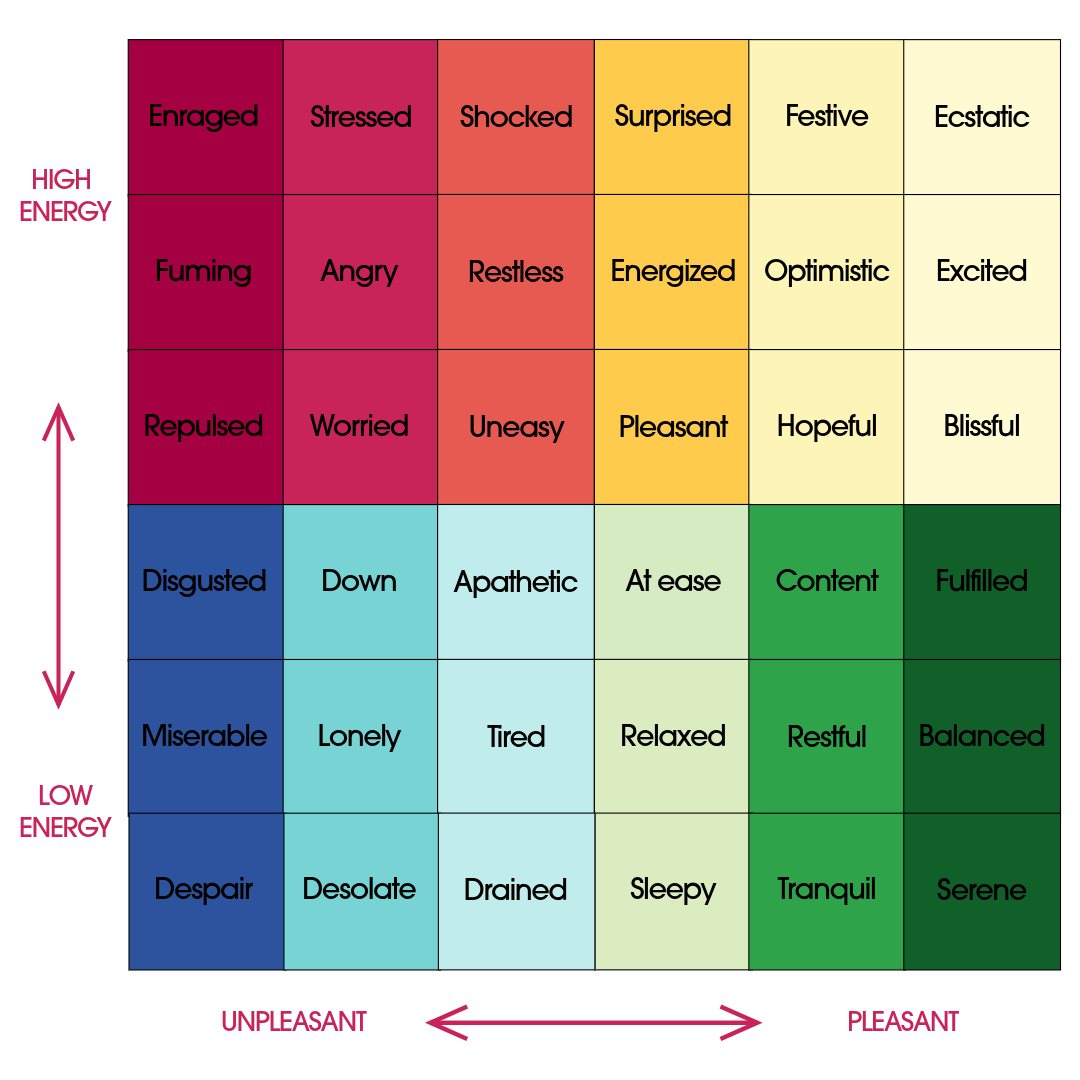
Sometimes children (and adults!) can have a hard time identifying what they’re feeling. It’s tough to regulate our emotions when we don’t know what those emotions are. Dr. Marc Brackett, a professor at Yale University and the founding director of the Yale Center for Emotional Intelligence, has developed The Mood Meter. This tool helps people to recognise and label their emotions accurately, so they can work on identifying triggers and coming up with strategies to cope with big emotions.
The Mood Meter is split into 4 areas:
- Red Quadrant (High Energy, Low Pleasantness): Emotions such as anger, frustration, and anxiety.
- Yellow Quadrant (High Energy, High Pleasantness): Emotions such as excitement, happiness, and enthusiasm.
- Blue Quadrant (Low Energy, Low Pleasantness): Emotions such as sadness, fatigue, and boredom.
- Green Quadrant (Low Energy, High Pleasantness): Emotions such as calmness, contentment, and relaxation.
How to use the mood meter effectively with your foster child
- Identify their emotions: Ask your child what emotions they’re experiencing. Let them take a moment to think about how they’re feeling. They can look at the mood meter chart and find the emotions that resonate.
- Plot their emotions: Let them place themselves on the grid based on their energy level (high or low) and pleasantness (pleasant or unpleasant).
- Understand their emotions: Help them reflect on why they’re feeling a certain way. Ask questions like “What’s causing this emotion?” or “What’s triggering this feeling?”
- Develop emotional awareness: Regularly checking in with the mood meter helps to develop self-awareness, allowing them to better understand their emotions and behaviours.
- Use it to regulate emotions: Once they’ve identified their emotions, you can develop strategies together to manage them. For example, if they’re feeling anxious (high energy, unpleasant), they might take deep breaths or engage in physical activity to calm down.
- Practice empathy: You can also use the mood meter to understand others’ emotions and respond in the right way. This can improve your relationships and communication skills.
Tips:
- Use the mood meter regularly, ideally at the same time each day, to track emotions and patterns. You might want to do this over breakfast to see how your child is feeling going into the day, or before bed each night to chat about how the day has made them feel.
- Be honest when plotting emotions.
- Don’t judge yourself or others based on the emotions you identify; instead, focus on understanding and managing them. Don’t congratulate pleasant emotions or suggest that unpleasant emotions are a failing. All emotions are valid.
By incorporating the mood meter into your daily routine, you can help your child to develop greater emotional intelligence, improve their relationships, and enhance their overall well-being.
*Adapted from The Present Psychologist